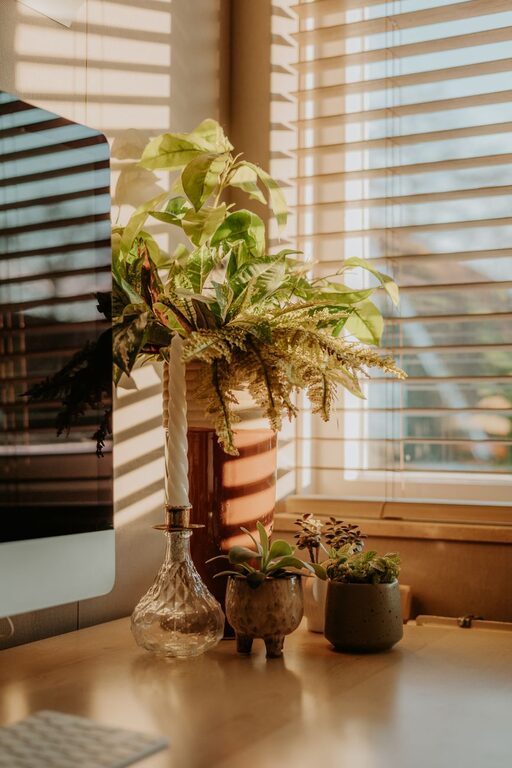
Creating an organized home office is essential for maintaining focus and maximizing productivity. A cluttered workspace can be distracting, stressful, and negatively impact your ability to get work done efficiently. Whether you have a dedicated room or a small corner in your home, these tips will help you create a functional and organized space that supports your work habits.
Why Organizing Your Home Office Matters
An organized office does more than look tidy—it creates a positive environment where you can focus and be efficient. When everything has its place, you waste less time searching for documents or supplies. Additionally, a well-organized workspace reduces stress and helps maintain a clear mind throughout the day.
Assess Your Space and Needs
Before diving into organization, take some time to evaluate your current setup:
– Evaluate your work style: Are you a digital worker or do you handle lots of paper? Understanding this will help tailor your storage needs.
– Identify essential items: List the tools, equipment, and supplies you use daily.
– Measure your available space: Knowing your dimensions helps in choosing the right furniture and storage solutions.
Declutter First
Clutter is the enemy of productivity. Start by clearing everything off your desk and sorting items into three categories:
– Keep: Frequently used essentials.
– Discard: Broken or unnecessary items.
– Store: Items used occasionally; find a neat storage spot.
Try to avoid keeping things “just in case” if they no longer serve a purpose.
Optimize Your Desk Setup
Your desk is the centerpiece of your office. To keep it organized:
– Limit desktop items: Keep only your computer, a lamp, a notepad, and a pen handy.
– Use organizers: Desk trays, pen holders, or small drawers keep small items neat.
– Manage cables: Use cable clips or sleeves to reduce messy cords.
A clear desk surface encourages clearer thinking and better focus.
Smart Storage Solutions
Storage is key to maintaining an organized office. Here are a few options:
– Shelving units: Vertical shelves save floor space and give you room for books, binders, and decor.
– Filing cabinets: Use labeled folders to keep important papers sorted and easy to find.
– Storage bins and boxes: Ideal for storing seasonal supplies or rarely used items.
– Drawer organizers: Dividers keep small office supplies tidy inside drawers.
Labeling storage containers makes it easier to locate items and return them after use.
Use Digital Tools to Reduce Paper
Paper clutter can build up quickly. Reduce it by:
– Scanning documents: Use a scanner or smartphone app to digitize receipts, invoices, and notes.
– Cloud storage: Save digital files on platforms like Google Drive or Dropbox for easy access and organization.
– Digital calendars and notes: Replace paper planners with apps to minimize clutter.
Digitizing helps simplify your workspace and provides quick access to files when needed.
Create Zones for Different Tasks
If you have enough space, dividing your office into zones can improve workflow:
– Work zone: Desk and computer area for focused tasks.
– Reference zone: Shelves or filing cabinets with books and documents.
– Supply zone: Storage for office supplies within easy reach.
Having designated spaces helps you stay organized and prevents items from spreading all over.
Maintain Good Lighting and Ergonomics
Good lighting and comfortable furniture support productivity:
– Natural light: Position your desk near a window if possible to reduce eye strain and boost mood.
– Task lighting: Use adjustable desk lamps for focused work.
– Ergonomic chair: Invest in a chair with good support to maintain comfort during long hours.
– Monitor height: Position your computer monitor at eye level to reduce neck strain.
A comfortable setup keeps you energized and focused throughout the day.
Make Organization a Daily Habit
Keeping your office organized is easier when it becomes routine:
– End-of-day tidy: Spend five minutes clearing your desk and putting things away before finishing work.
– Weekly review: Check filing, restock supplies, and assess if changes in your system are needed.
– Limit new clutter: Be mindful of what you bring into your workspace and avoid unnecessary items.
Consistent maintenance prevents clutter from building up again.
Personalize Your Space
An inviting and personalized office can motivate you:
– Add plants: Greenery improves air quality and adds a calm feel.
– Decorate smartly: Use art or photos that inspire you, but keep decorations minimal to avoid distractions.
– Use color: Choose colors that boost energy or calmness, depending on your preferences.
A pleasant atmosphere helps make your home office a place you enjoy spending time.
—
Organizing your home office is an ongoing process that pays off with increased focus and less stress. Start with decluttering, optimize your setup, use smart storage, and integrate daily habits to maintain order. With a tidy and well-planned office, you’ll set yourself up for success and enjoy a smoother, more productive workday.
About the Author