
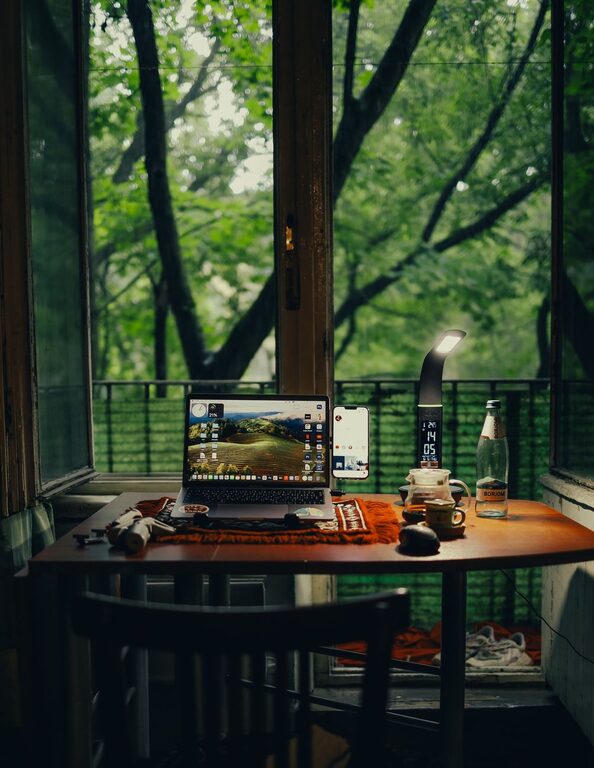
Creating a relaxing home workspace can significantly improve your ability to concentrate, reduce stress, and boost productivity. Whether you work remotely full-time or occasionally take work home, having a dedicated, soothing space can make all the difference. This post will guide you through simple, effective tips to transform any area into a tranquil home office you’ll enjoy spending time in.
Why a Relaxing Workspace Matters
Your work environment has a direct impact on your mood and how well you perform tasks. A cluttered, noisy, or uncomfortable space can lead to frustration and fatigue, while a well-designed relaxing area encourages creativity and calm focus. When you tailor your workspace to your personal needs and create an atmosphere you find peaceful, you set yourself up for better workdays.
Choosing the Right Location
Pick a Quiet Spot
Start by selecting a spot in your home that experiences minimal foot traffic and noise. If possible, choose a room with a door you can close to minimize distractions. Avoid high-traffic areas like the kitchen or living room, especially if others are often present.
Consider Natural Light
Natural light positively affects mood and productivity. Position your desk near a window to take advantage of daylight, but avoid harsh glare on screens by adjusting the angle or adding light-filtering curtains. If natural light isn’t available, invest in quality lighting that mimics daylight to keep you energized.
Furnishings That Promote Comfort and Focus
Ergonomic Chair and Desk
Comfort is key when spending hours at a desk. An ergonomic chair that supports your lower back and promotes good posture can prevent discomfort and fatigue. Likewise, a desk at the right height helps reduce strain on your wrists and shoulders.
Keep It Simple
Avoid bulky or overly decorative furniture that can make your space feel crowded. Select clean-lined, functional pieces tailored to your needs. An adjustable desk or standing desk converter can also add flexibility to your routine.
Organizing for Calm and Clarity
Declutter Regularly
A cluttered desk can cause mental clutter. Keep only essentials on your desk, and store supplies in drawers or boxes out of sight. Regularly tidying your workspace helps maintain a clear and inviting environment.
Use Storage Solutions
Invest in shelves, filing cabinets, or organizers to keep paperwork and tools neatly stored. Use labels or color-coding to quickly find what you need without digging through piles.
Personal Touches That Relax You
Add Greenery
Plants can reduce stress and improve air quality. Choose low-maintenance options like succulents, snake plants, or pothos that thrive indoors. Place them where they catch soft light for a natural touch.
Soothing Colors and Decor
Calming colors like soft blues, greens, or neutrals create a peaceful ambiance. Avoid overly bright or harsh colors that might increase tension. Personalize your space with inspiring artwork, photos, or meaningful objects that lift your spirits.
Managing Noise and Distractions
Soundproofing Tips
If noise is unavoidable, consider noise-canceling headphones or white noise machines to minimize distractions. Thick rugs, curtains, or wall hangings can also help absorb sound and create a quieter space.
Digital Declutter
Silence unnecessary notifications and set boundaries for work hours to reduce digital interruptions. Use apps that help you focus, like timers or website blockers.
Incorporate Relaxation Breaks
Create a Break Zone
If space allows, designate a small corner with a comfy chair or cushion where you can briefly step away from your desk. Stretching, deep breathing, or a short meditation can recharge your mind and body.
Maintain a Routine
Taking regular breaks throughout the day helps avoid burnout. Use reminders or timers to prompt movement and mental rest, supporting sustained productivity.
Optimal Lighting and Temperature
Adjustable Lighting
Supplement natural light with adjustable desk lamps that allow you to control brightness and warmth depending on the time of day and task at hand.
Comfortable Temperature
Keep your workspace at a comfortable temperature — too hot or too cold can be distracting. Use fans, heaters, or humidifiers as needed to maintain ideal conditions.
Final Thoughts
Designing a relaxing home workspace is about considering both function and comfort. By choosing a peaceful location, organizing thoughtfully, adding personal touches, and prioritizing ergonomic furniture, you can build an environment that reduces stress and enhances your focus. Remember that your workspace should work for you — don’t hesitate to adjust and update it over time to suit your changing needs.
With a calm and well-planned workspace, you’ll be able to enjoy your work more and feel better at the end of each day. Start small and gradually incorporate these tips, and you’ll soon notice a positive difference in your home office experience.
About the Author