
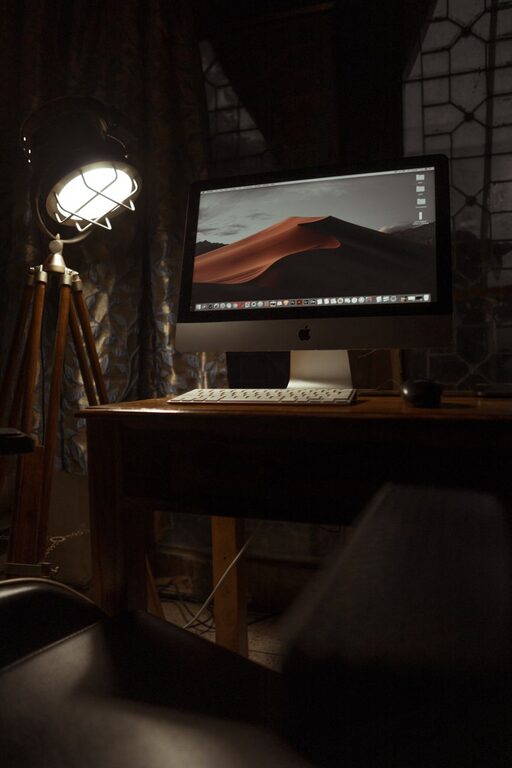
Creating a cozy and inviting home workspace is key to maintaining focus, motivation, and well-being while working from home. A well-designed space tailored to your needs can make long work hours more enjoyable and increase productivity. Whether you have a dedicated room or just a small corner, these tips will help you turn your workspace into a comfortable and inspiring retreat.
Why a Cozy Workspace Matters
When your workspace feels welcoming and comfortable, you’re more likely to stick to your schedule and enjoy your workday. A cozy environment can reduce stress and fatigue while boosting creativity and motivation.
1. Choose the Right Location
Find a spot in your home that minimizes distractions. Natural light is a huge plus, so try to set up near a window if possible. Fresh air and outdoor views can improve mood and focus.
Tips for Location Selection
– Avoid high-traffic areas to reduce noise interruptions
– Consider proximity to power outlets for easy device charging
– Use a room divider or curtain if you share space with others
2. Invest in Comfortable Furniture
Your chair and desk are the foundation of your workspace. Comfortable and ergonomic furniture supports good posture and prevents discomfort during long hours.
Furniture Considerations
– Ergonomic chair with adjustable height and lumbar support
– Desk at a height that keeps your arms parallel to the floor
– Footrest or cushion if needed for added comfort
3. Personalize Your Space
Adding personal touches makes your workspace feel welcoming and uniquely yours. This can include photos, favorite colors, or meaningful objects.
Ideas for Personalization
– Display artwork or prints you love
– Use colorful yet soothing desk accessories
– Keep a small plant or succulent on your desk for a bit of nature
4. Organize Your Workspace
Clutter can distract you and increase stress. Keeping your workspace organized helps maintain focus and saves time looking for items.
Organization Tips
– Use trays, baskets, or drawer organizers to separate supplies
– Keep only necessary items on your desk surface
– Schedule regular tidying sessions to maintain order
5. Optimize Lighting
Good lighting reduces eye strain and helps you feel alert. Combining natural light with well-placed artificial light creates an inviting atmosphere.
Lighting Suggestions
– Position your desk near a window for daylight
– Use a soft desk lamp with adjustable brightness for evening work
– Avoid harsh overhead lights that cause glare
6. Incorporate Calming Colors
Colors can influence mood and productivity. Choosing calming hues like soft blues, greens, and neutrals helps create a peaceful work environment.
How to Use Color
– Paint the walls in light, neutral tones for a bright feeling
– Add colorful accents through pillows, rugs, or artwork
– Avoid overly bright or distracting patterns
7. Add Cozy Textiles
Textiles like cushions, rugs, and blankets contribute warmth and comfort to your workspace.
Textile Tips
– A soft area rug can reduce noise and add warmth
– Cushioned seat pads improve chair comfort
– Keep a lightweight throw blanket nearby for chilly days
8. Manage Noise Levels
Background noise can disrupt concentration, so consider ways to reduce or control sound in your workspace.
Noise Management Options
– Use noise-canceling headphones or white noise machines
– Add fabric wall hangings or curtains to absorb sound
– Inform others at home about your work hours to minimize interruptions
9. Bring in Nature
Incorporating natural elements like plants or natural materials helps reduce stress and increases productivity.
Ways to Add Nature
– Choose low-maintenance plants such as succulents or pothos
– Use wooden furniture or decor for a natural touch
– Open windows regularly for fresh air and sunlight
10. Keep Tech Comfortable and Organized
Technology is essential, but it can also clutter a workspace. Organize cables and position devices for easy use.
Tech Tips
– Use cable clips or organizers to manage cords
– Position monitors at eye level to avoid neck strain
– Use a comfortable keyboard and mouse to prevent fatigue
Final Thoughts
Designing a cozy and inviting home workspace doesn’t require a complete overhaul. By focusing on comfort, personalization, organization, and lighting, you can create a space that supports your work and boosts your well-being. Small changes add up to big improvements, making your home workspace a place you’ll look forward to using every day.
About the Author